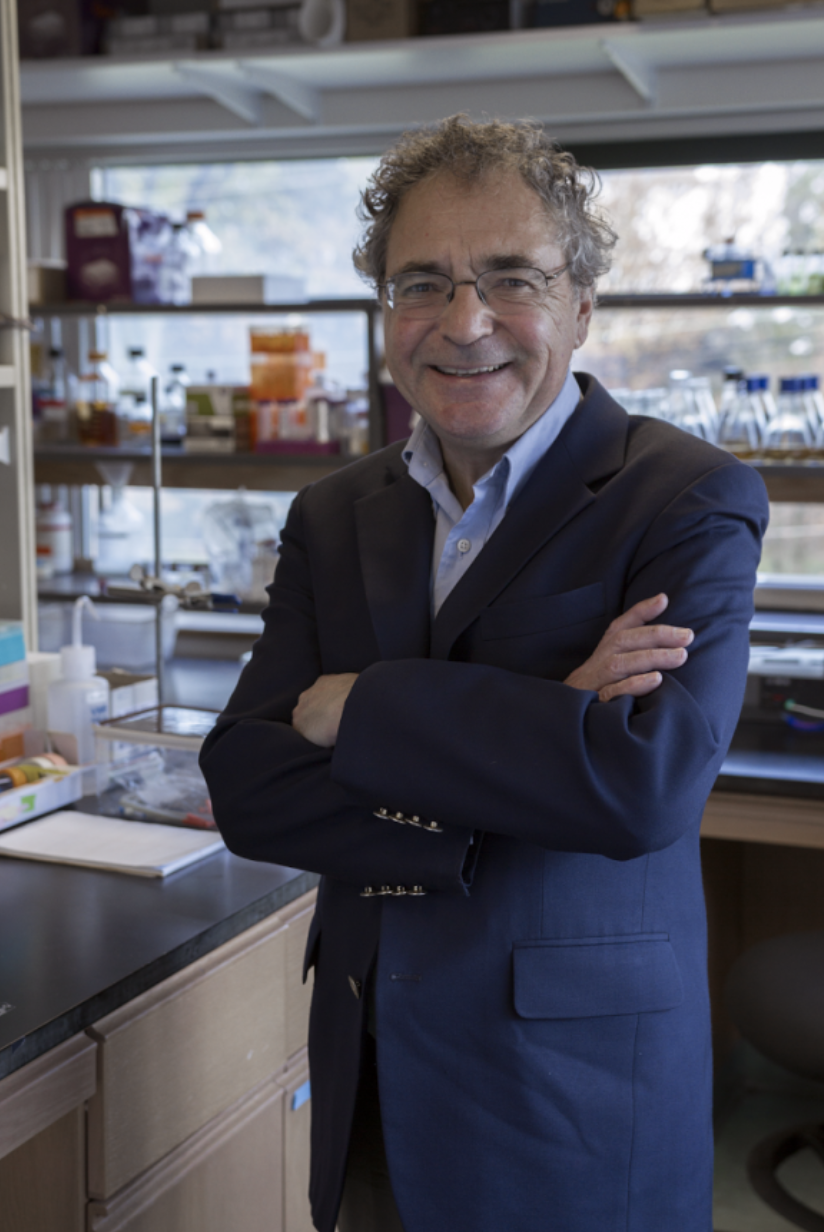
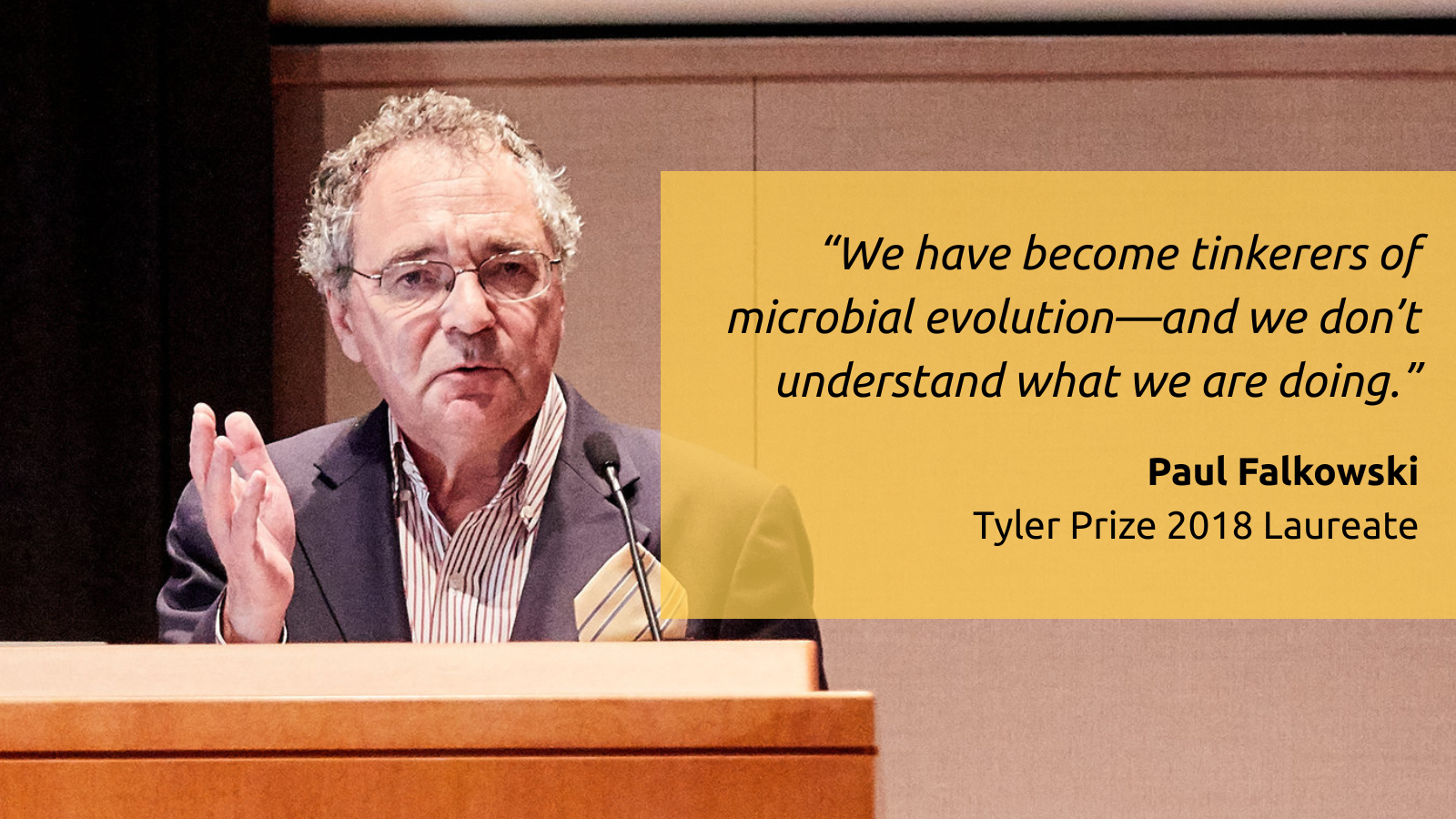
Paul G. Falkowski
Tyler Prize Laureate 2018
Illuminating the hidden engines of Earth’s climate
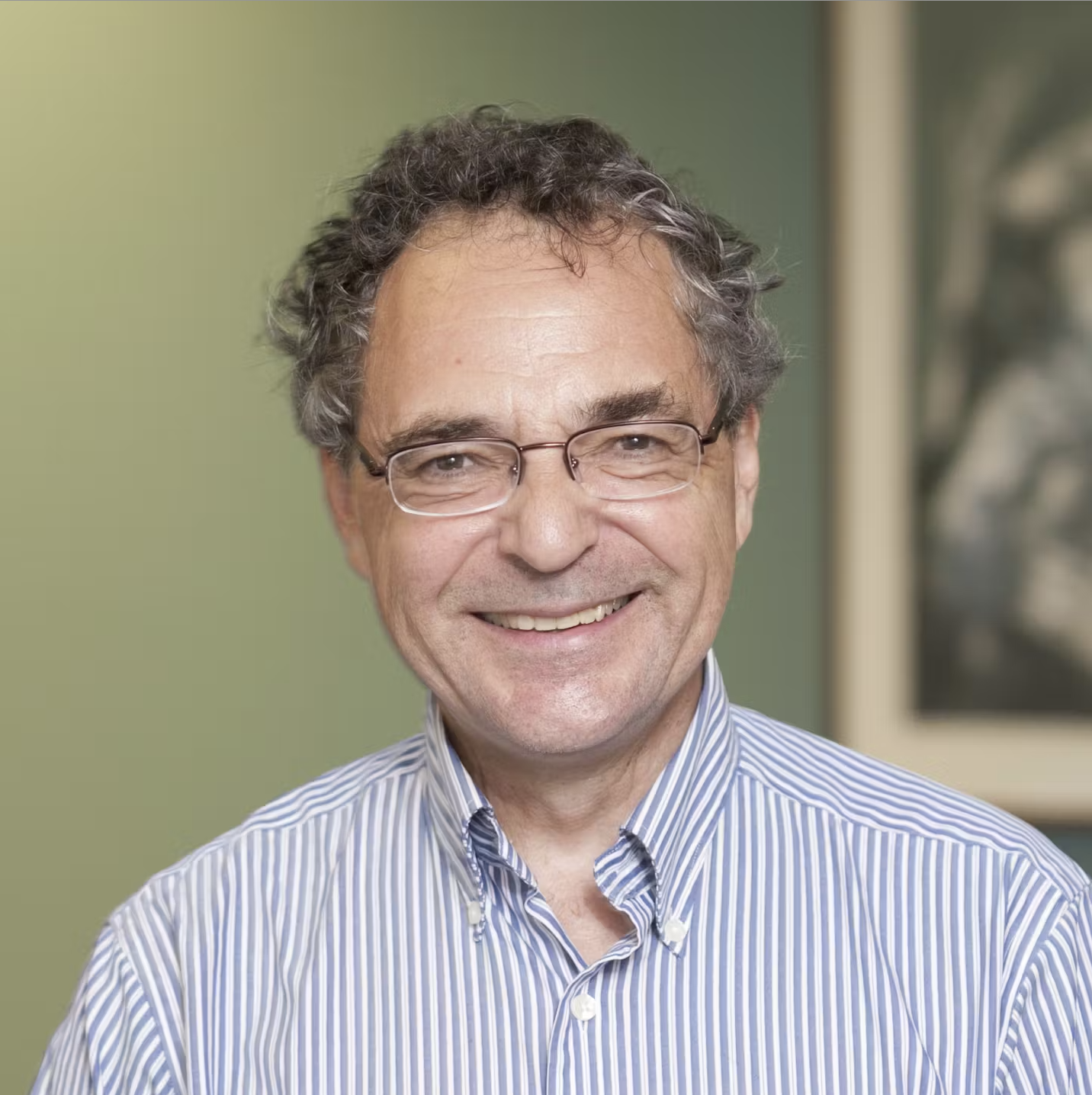
Quick Facts
Born: September 4, 1951, New York, United States
Affiliation at the time of the award: Rutgers University
Environmental achievement: Recognized for his fundamental contributions to our understanding of Earth’s geochemical processes, the flow of nutrients across land, ocean, and atmosphere, and the impact of human activity on Earth’s climate.
Get to know Paul G. Falkowski
What if the key to understanding climate change lies not in storms or sea ice, but in microscopic life beneath the waves?
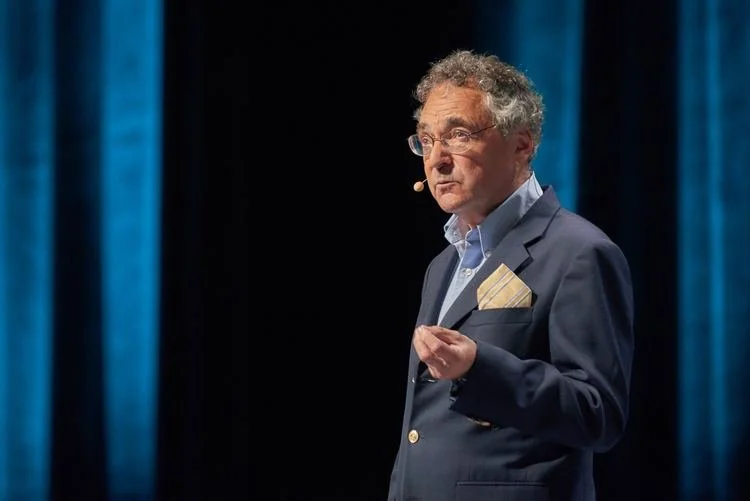
Falkowski was one of the first to link the behavior of microbial communities to long-term changes in Earth’s climate. His pioneering use of novel instrumentation made it possible to observe biogeochemical processes at unprecedented scales and timescales. With over 300 scientific papers and 45 ocean expeditions, his research has shaped both climate science and environmental policy.
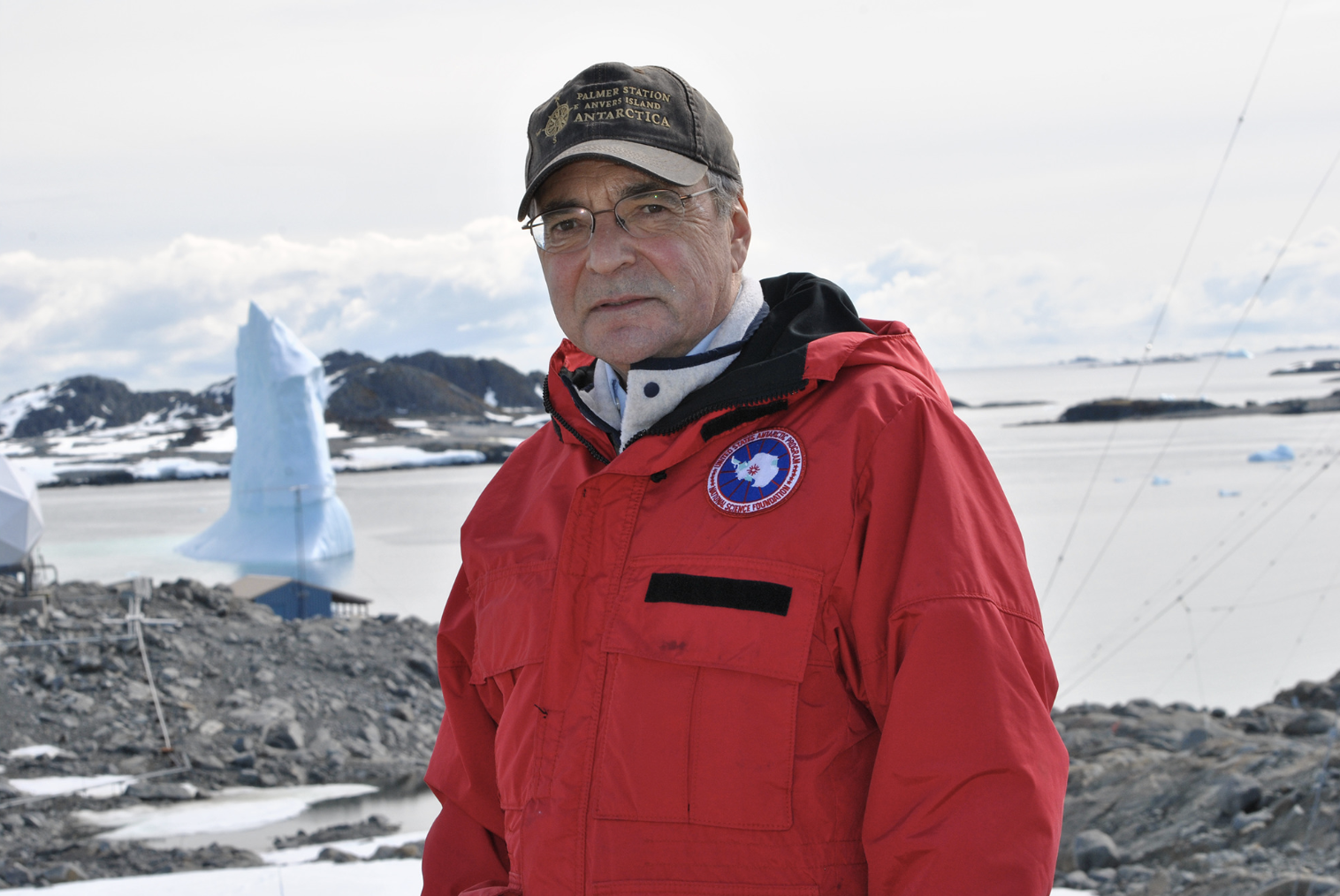
That’s the world Paul Falkowski has spent a lifetime exploring. A trailblazing oceanographer and biogeochemist, Falkowski helped uncover the essential role of microbial life — especially phytoplankton — in Earth’s nutrient cycles and climate regulation. His work showed how these microscopic organisms power the biological pump, transferring carbon from the atmosphere into the deep ocean.
Celebrating a Pioneer in Marine and Climate Science
In 2018, the Tyler Prize community gathered in Washington, D.C. to honor Paul Falkowski’s groundbreaking work in oceanography and climate systems. Events included a Laureate Conversation and an award ceremony, where colleagues, students, and international leaders recognized his legacy and influence.