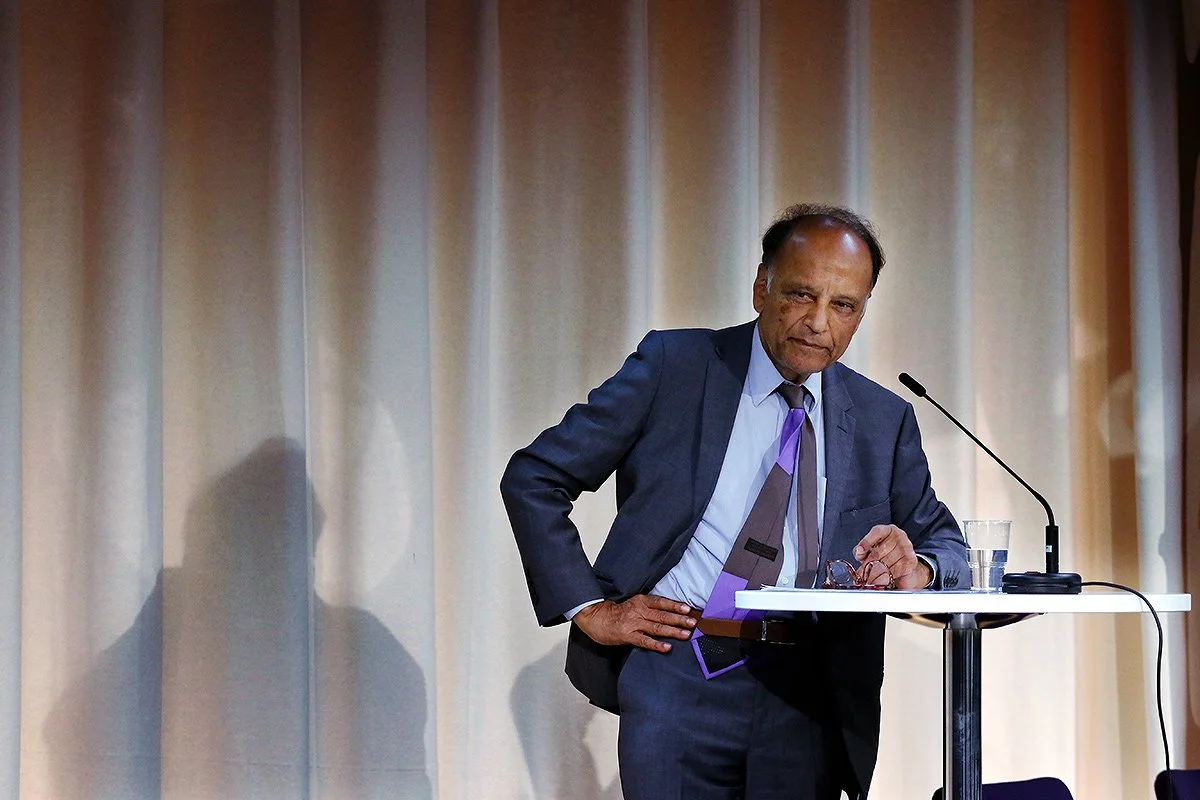
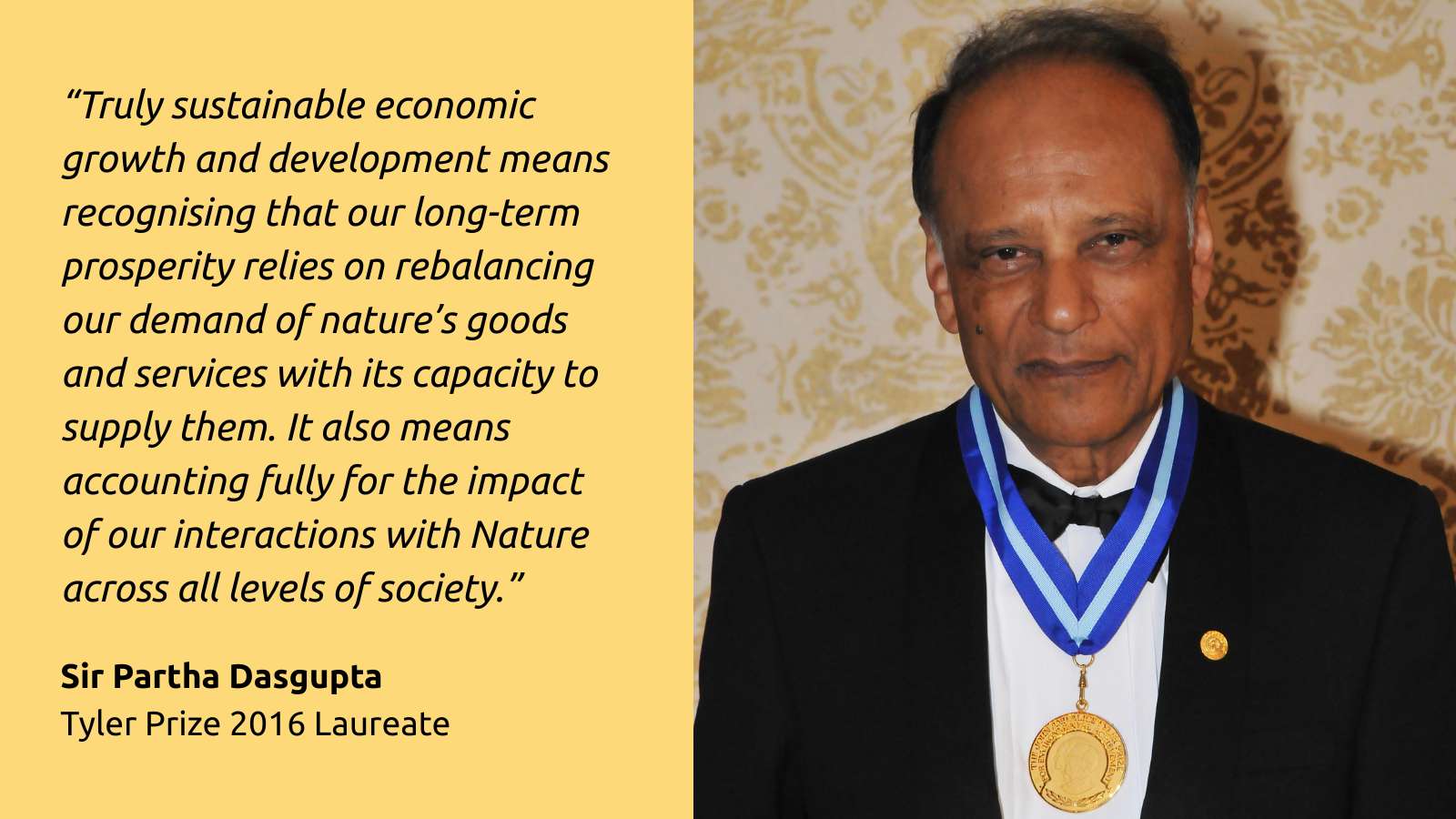
Partha Dasgupta
Tyler Prize Laureate 2016
Visionary economist with a passion for nature
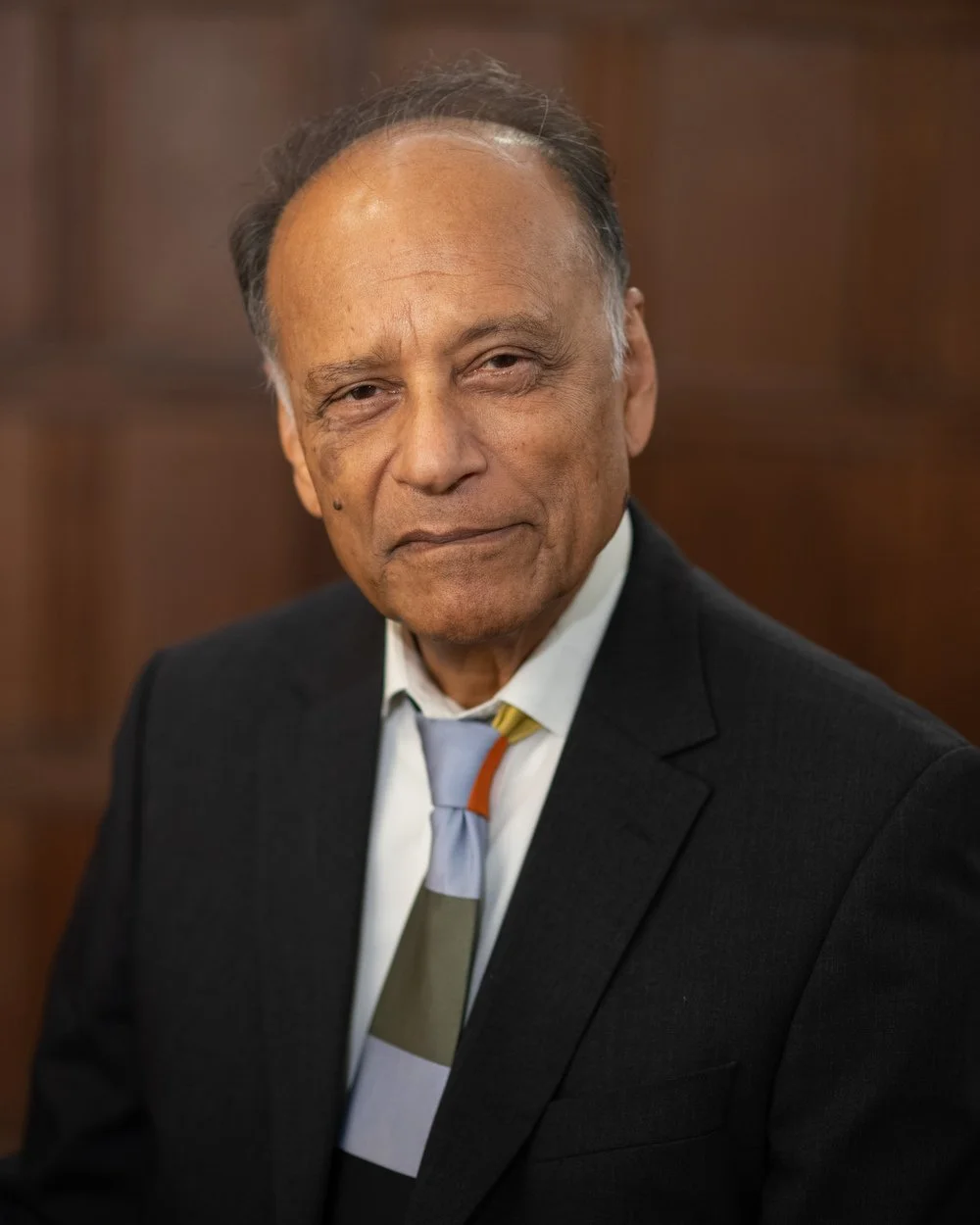
Quick Facts
Born: November 17, 1942, Dhaka, Bangladesh
Affiliation at the time of the award: Cambridge University
Environmental achievement: Recognized for outstanding development of economic theory to illuminate the interdependence between human and environmental well-being. His early and sustained contributions to the fields of environmental, development, and ecological economics, especially his creative work on valuing natural capital, have greatly influenced the Sustainable Development Goals, adopted by the world’s nations in 2015.
Get to know Partha Dasgupta
What if economics could be a powerful tool not just for growth, but for sustaining the planet and future generations?


A Lasting Legacy
In 2015, Dasgupta authored the landmark Independent Review on the Economics of Biodiversity. This seminal report called for a radical rethink in how we value nature, warning that the ongoing extinction crisis undermines nature’s “productivity, resilience, and adaptability.” His concept of inclusive wealth—which adds natural capital such as forests, wetlands, and fisheries to traditional economic measures—has challenged governments and institutions to reconsider what true progress means.
His extensive contributions have earned him prestigious honors including the Blue Planet Prize, the Volvo Environment Prize, Fellowship of the Royal Society, and a knighthood from Queen Elizabeth II. Nominated by leading scientists worldwide, Dasgupta is celebrated as the economist who has most profoundly linked economic analysis with ecological realities and ethical responsibility.
Dasgupta’s work continues to influence policies addressing poverty, environmental stewardship, and sustainable development globally—shaping a future where human well-being and the natural world are inseparable.
Sir Partha Dasgupta has reshaped environmental economics by doing exactly that—turning abstract concepts into frameworks that influence global policy and how we measure wealth itself.
Dasgupta’s hallmark is connecting individual choices—like decisions about family size—to their far-reaching impacts on society and the environment, a concept known as generation-relative utilitarianism. This approach bridges micro-level behavior with global sustainability, highlighting how poverty, biodiversity loss, and natural resource management are deeply intertwined.
His leadership extended beyond academia. As chairman of the Beijer Institute’s Board, Dasgupta united economists and ecologists to collaborate on issues previously viewed separately, leading to major advances in understanding humanity’s place within natural systems. His role in the Millennium Ecosystem Assessment helped shape a worldwide scientific consensus on the critical links between ecosystem health and human well-being.
Celebrating a Global Leader Reimagining Our Relationship with Nature
In 2017, the Tyler Prize community gathered at the University of Southern California in Los Angeles, USA, to honor Dasgupta’s extraordinary contribution to environmental science. The events included a Laureate Lecture and a celebratory dinner, where global changemakers, scientists, and students came together to celebrate his legacy.